01
MARK · STYLES
Home / Window Guides / Window Styles Guide
WINDOW SCHEDULE: CHAPTER 01, SIX WAYS A WINDOW OPENS
Window Styles Guide
Casement, sash, awning, sliding, fixed and bay. Any of them can be made to order for the opening you have.
The style of a window decides how it moves, how much air it lets in and how easy it is to keep clean. This chapter lists the six most common styles as rows in a schedule, so you can compare them side by side before you choose a frame or glass.
REF
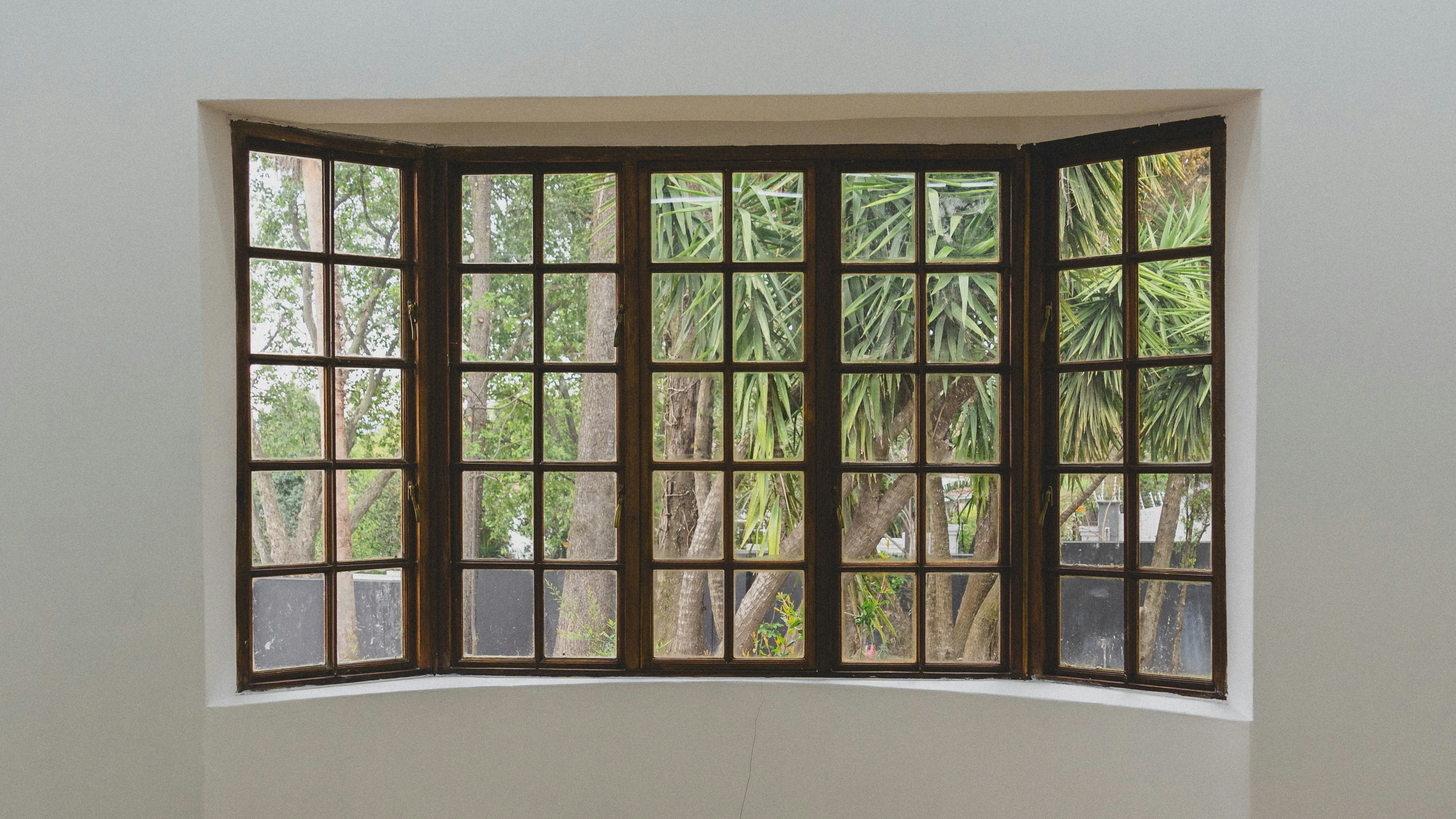
Reference photo: a multi-pane bay window, one of the six styles below.
HOW TO READ EACH ROW
Four checks for every style
1 Opens: how the sash moves, or whether it moves at all
2 Suits: rooms and facades where the style works well
3 Air: how much of the opening can ventilate
4 Cleaning: how you reach the outside of the glass
Styles mix freely. A fixed pane beside an awning, or a bay with sash sides, is still one window made to order. For more visual references, see the Window Reference Gallery.
MARK
01.1
TYPE
Casement
Side-hinged, opens outward
NOTES
A casement swings open on side hinges like a small door, usually with a winder or stay. Because the whole sash clears the opening, it catches passing breezes well. It suits both modern and traditional elevations, and it sits neatly beside fixed panes in a wider opening.
SUITS living rooms, bedrooms · AIR full sash open · CLEANING some hinge types let you reach the outer face from inside
01.2
Sash
Slides up and down in the frame
A sash window has one or two panels that slide up and down. If you open the top and bottom a little at the same time, warm air leaves high and fresh air comes in low. It is the classic window of Victorian and Edwardian houses. Read Windows for Period Homes for more on keeping traditional proportions.
SUITS period facades, street-facing rooms · AIR adjustable top and bottom gaps · CLEANING tilt-in sashes are easier to reach
01.3
Awning
Top-hinged, opens outward
Awning windows hinge along the top edge and push out at the bottom, so the open sash acts as a small canopy. Because of that shape, you can often leave them open in light rain. They work well high on a wall, above a kitchen bench or in a bathroom, and they stack neatly above or below fixed glass.
SUITS kitchens, bathrooms, high openings · AIR steady, sheltered airflow · CLEANING depends on the stay and the height
01.4
Sliding
Slides sideways on a track
One panel slides sideways past another, so nothing sticks out into the room or over a path or deck. Sliders are simple to use and suit wide, low openings. Only part of the opening lets air in at a time, so weigh that against how little space they take up.
SUITS wide openings, walkways, decks · AIR about half the opening · CLEANING keep tracks clear; some panels lift out
01.5
Fixed
Does not open
A fixed window is glass set straight into the frame, with no sash that opens. It gives the slimmest frame lines and the widest view for its size. It is often paired with an opening style that handles the airflow. With so much glass, the glazing makes the biggest difference here, so read Glazing Options Explained.
SUITS views, stairwells, high light · AIR none, so pair it with an opening style · CLEANING needs access from outside
01.6
Bay
Sticks out from the wall
A bay is a group of windows set at angles, so the opening sticks out past the wall. It adds a little floor space and brings in light from three directions. The panels can be any mix, and a fixed centre with casement or sash sides is a familiar layout. Every bay is shaped around its wall, which makes it a natural made-to-order window.
SUITS living rooms, front elevations · AIR through the side panels that open · CLEANING plan how to reach the outer panels
NEXT IN THE SCHEDULE
Once you’ve chosen a style, pick what it’s made of in 02 Frame Materials Guide. Then check what size details to note down in Measuring and Sizing Basics.