02
MARK
Home / Window Guides / Frame Materials Guide
WINDOW SCHEDULE — FRAME
Frame Materials Guide
Timber, aluminium or uPVC. The frame decides how a window looks from the street, how much of the opening becomes glass and how much looking after it asks for.
This chapter compares the three common frame materials in general terms: appearance, sightlines, upkeep, how each copes with weather and the homes each suits. Settle these questions first and the window you order will fit both the house and the way you live in it.
IN THIS CHAPTER
A
Three materials, one opening
Any window can be made to order in the frame that suits it, and most homes choose between timber, aluminium and uPVC. Each strikes a different balance of looks, upkeep and fit with the building, whichever style you pick from the Window Styles Guide.
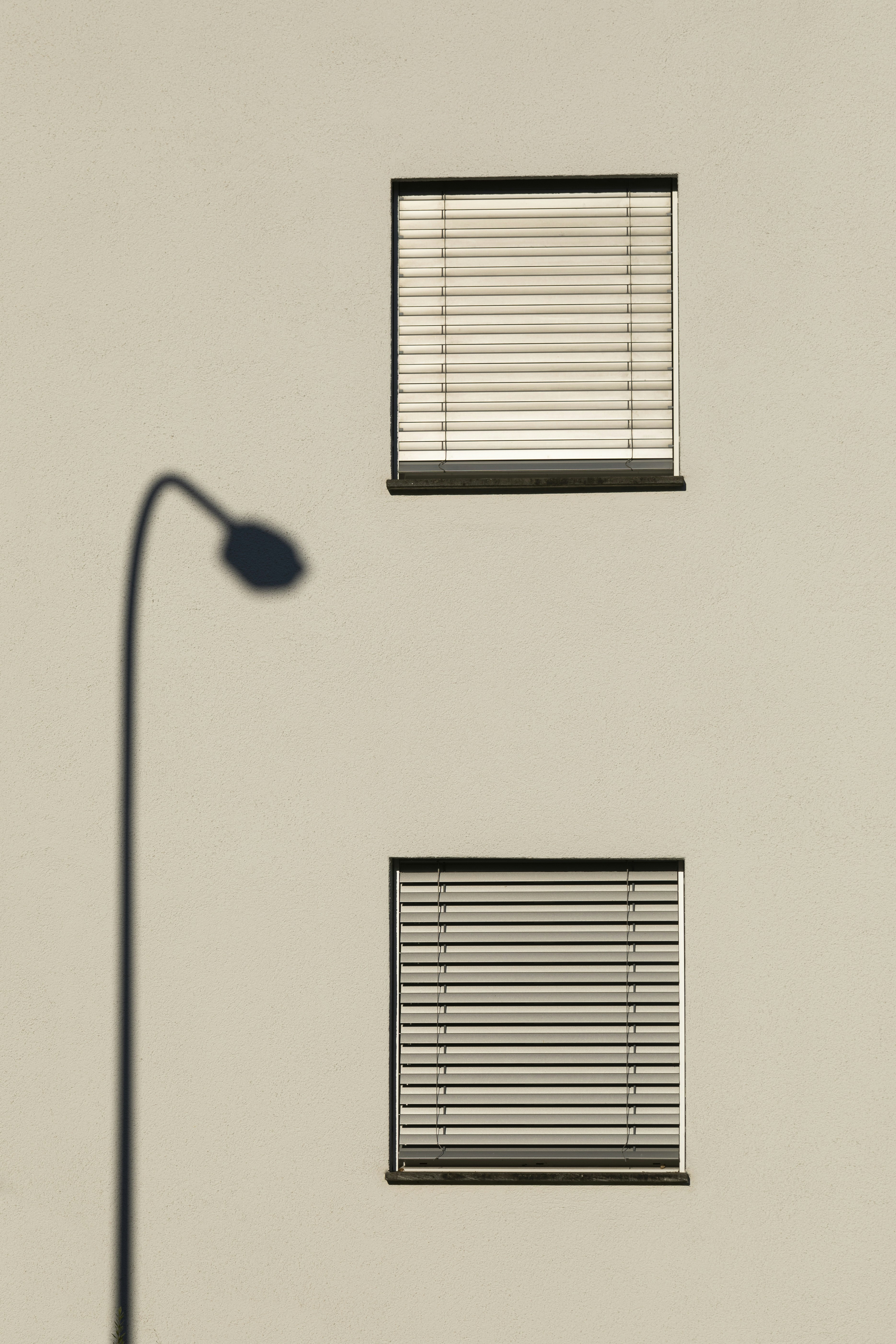
Reference photo: dark trim against a pale wall shows how much a frame’s colour and width shape the whole opening.
MATERIAL
LOOK
UPKEEP
SUITS
B
Timber
Look
Warm, crafted profiles with real depth. Mouldings and glazing bars suit traditional sashes and casements, and the frame can be painted any colour, then repainted later.
Upkeep
The most hands-on of the three. Paint or oil needs renewing over time, and sills and bottom rails deserve a look where water sits. Well-kept timber can often be repaired rather than replaced.
Suits
Period homes, heritage streetscapes and owners who want a natural material they can refinish. More in Windows for Period Homes.
C
Aluminium
Look
Crisp and slim. Aluminium carries large panes on narrow sightlines, which is why it suits wide sliding doors and floor-to-ceiling glass. Finishes are applied in the factory in a broad colour range.
Upkeep
Low. Wash frames and tracks now and then, clear drainage slots, and keep rollers and seals free of grit. Coastal sites benefit from more frequent rinsing.
Suits
Contemporary homes, extensions and large openings where the glass should do the talking.
D
uPVC
Look
Clean, even profiles that are usually broader than aluminium. Most often white or foil-finished, and some ranges imitate timber grain.
Upkeep
Low. Wipe the frames and check seals and hardware. It isn’t painted, so choose the finish when you order rather than planning to change it later.
Suits
Homes where comfort and easy care lead the brief, and openings of standard to medium size.
E
Sightlines and weather
SIGHTLINES
Sightlines are the visible widths of frame and sash around the glass. Slim ones turn more of the opening into glass and read as modern. Broader profiles give a window weight and shadow, which suits traditional elevations. Compare actual profiles rather than material names alone.
WEATHER
A frame facing hard sun, driving rain or salt air works harder than one under a deep eave. Timber moves with moisture and depends on its finish. Aluminium won’t rot but conducts heat, so ask whether the inner and outer faces are separated. uPVC ignores moisture, but dark colours in full sun are worth a question about heat.
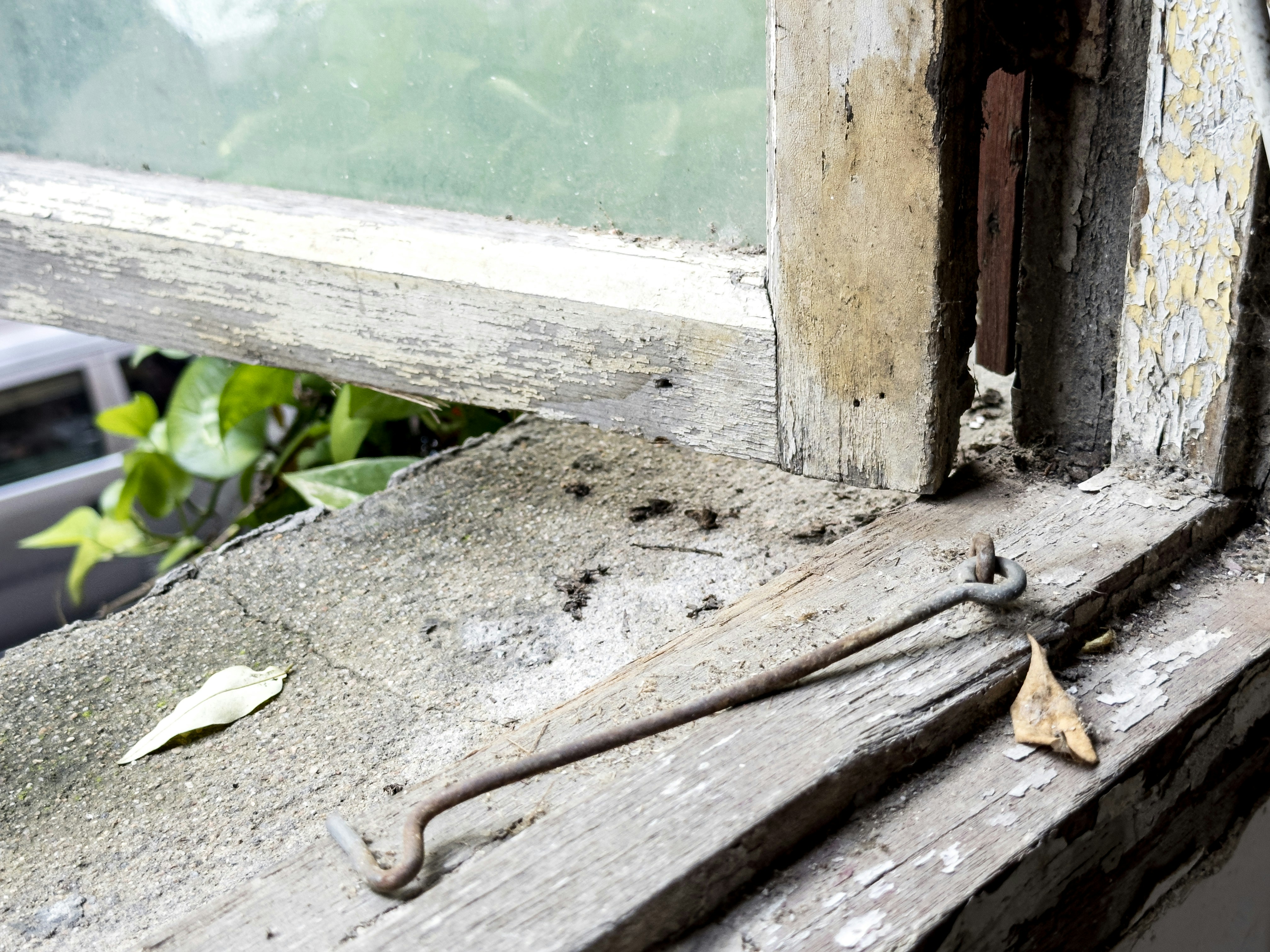
Reference photo: a timber frame whose finish has failed in the weather.
With the style settled, choose the frame for the house and the weather it faces. The glass comes next.
The frame is only half the window. Glazing Options Explained covers the glass that goes inside it. If you’re weighing up an existing frame, see Restore or Replace?. Keep whichever you choose in good order with Window Care and Maintenance. When you know the material you want, describe the opening in a Window Enquiry.