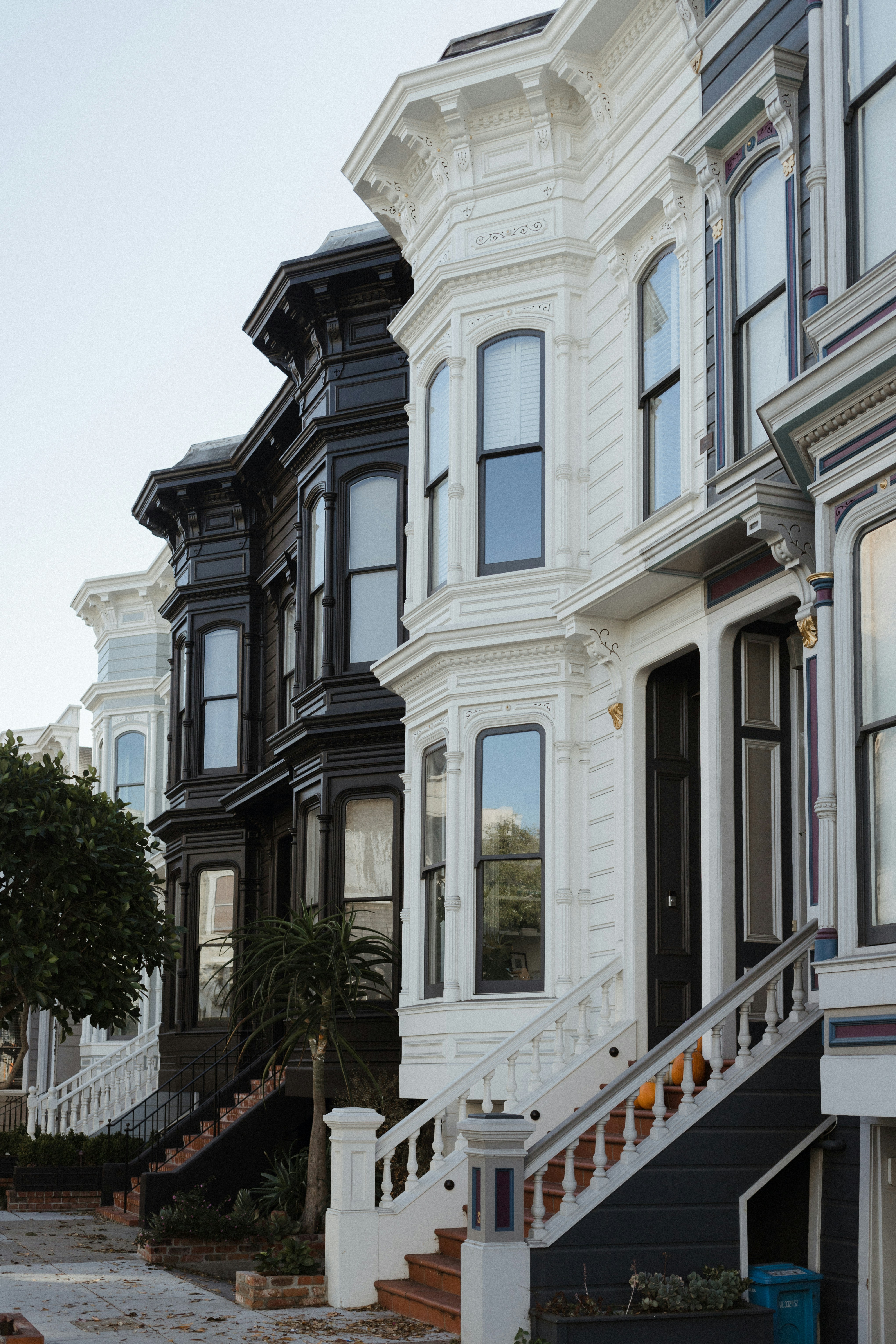
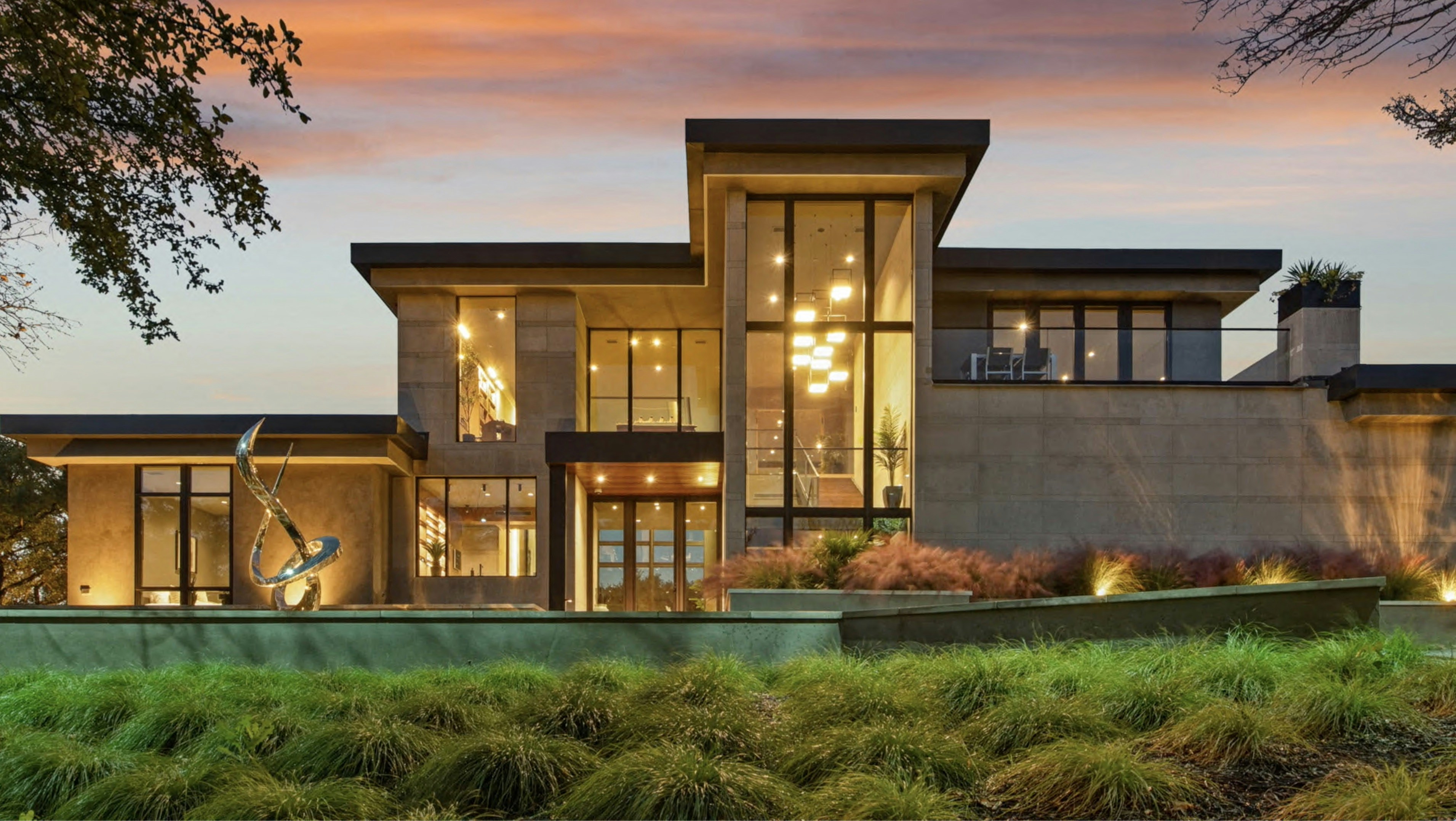
Modern flat-roofed house at dusk with large illuminated windows, glass doors, landscaped foreground, and an outdoor sculpture.

FIG. 00 — A glazed facade at dusk. Inspiration image.

WINDOW SCHEDULE — ANY OPENING, MADE TO ORDER

Every opening, made to order.

We make windows of any kind to order. Use this schedule to plan yours, then send us the details.

01

Window Styles Guide

Six common types, read like a schedule: how each one opens and where it tends to work. Any of them can be ordered to fit your opening.

MARK

TYPE

NOTES

01 · A

Casement

Hinged at the side and swings out like a door. Closes firmly against its seals and opens wide to catch a cross-breeze.

01 · B

Sash

Sashes slide up and down within the frame. The familiar look of older houses; a double-hung sash opens at the top, the bottom, or both.

01 · C

Awning

Hinged along the top and pushes out from the bottom, so it can stay open in light rain. Often set above a bench or under a fixed pane.

01 · D

Sliding

Panels glide sideways on a track, so nothing swings into a room or path. Suits wide openings and spots facing a deck.

01 · E

Fixed

Doesn’t open at all, which lets the glass take up as much of the opening as possible. Usually paired with an opening section nearby for air.

01 · F

Bay

Projects out from the wall with angled side panes, bringing light in from three directions and adding a small nook inside.

02

MATERIAL

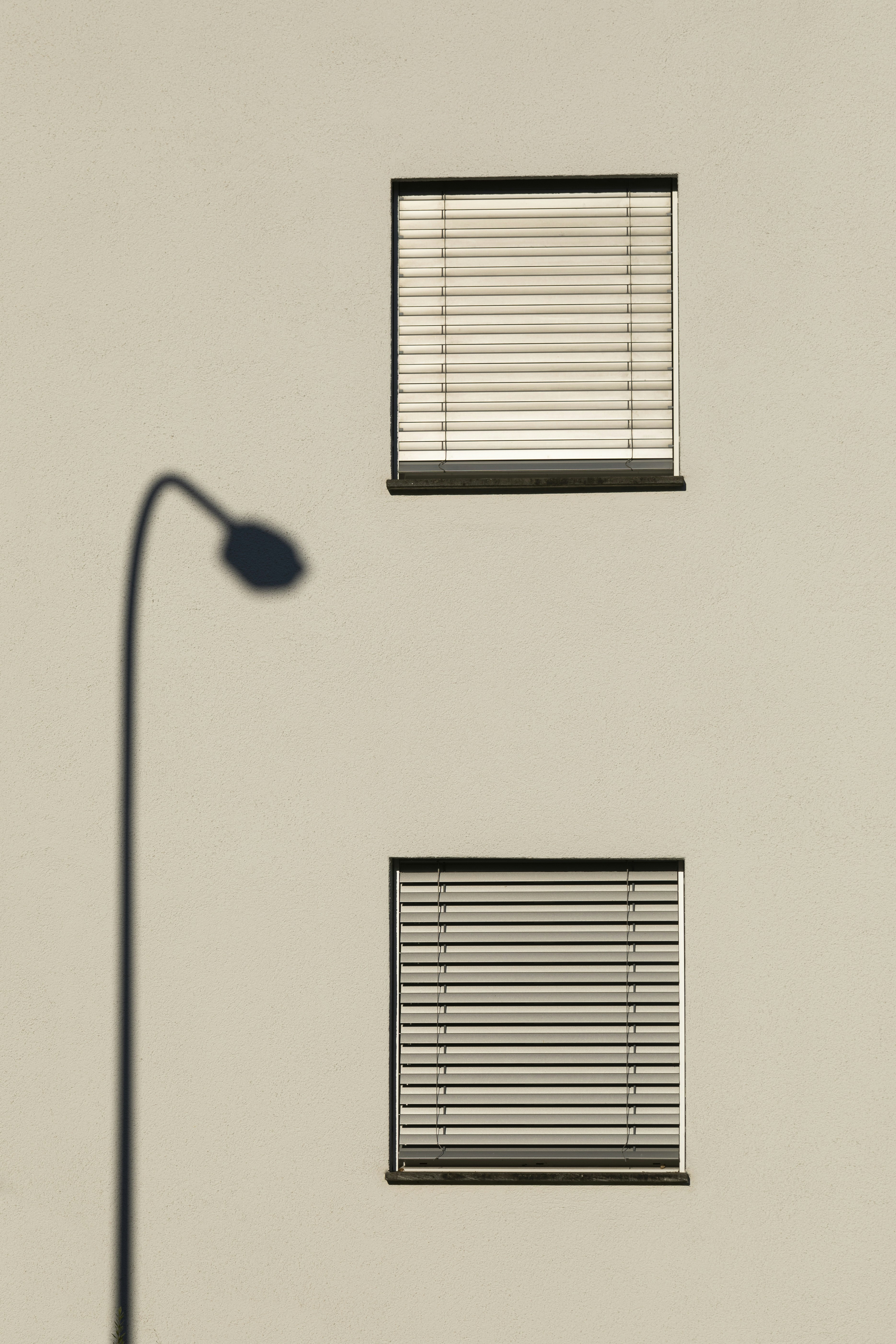
Light-colored exterior wall with two rectangular windows fitted with horizontal blinds and dark trim, alongside the shadow of a street lamp.

FIG. 02 — Two windows with dark trim set into a pale wall.

Frame Materials Guide

Timber

Warm, natural and easy to paint or stain. It suits traditional houses, but needs repainting and resealing to keep weather out.

Aluminium

Strong enough for slim frames and large panes, with little upkeep. Metal conducts heat, so ask about thermally broken frames.

uPVC

Insulates well and never needs painting. The profiles are chunkier and the colour choice is narrower.

Pick the frame that suits the house, and the upkeep you’re happy to live with.

03

GLAZING

Glazing Options Explained

The glass changes how a room feels more than most people expect: warmth, glare, condensation and street noise all pass through it.

Single glazing

One pane of glass. Simple and light, but it does the least to hold heat in or keep noise out.

Double glazing

Two panes with a sealed gap between them. Less heat moves through, and the inner pane stays warmer, so there’s less condensation.

Acoustic glazing

Laminated glass with a sound-dampening interlayer, sometimes built into a double-glazed unit. Worth considering on a busy road.

Low-E glass

A very thin coating that reflects heat. It helps keep winter warmth inside and summer heat outside.

High-angle city view seen through a tall set of large dark-framed windows in cool, hazy light.

FIG. 03 — Looking out through a large pane.

05

Restore or Replace?

Five checks to run on an existing window. Each row names the check on the left, then sets restoring the existing window beside ordering a new made-to-order window, so you can compare the two options line by line.

CHECK

OPTION 1 — RESTORE THE EXISTING WINDOW

OPTION 2 — ORDER A NEW WINDOW

A

Timber or frame condition

OPTION 1 · RESTORE

Flaking paint, surface wear or a small soft patch can often be cut out and repaired.

OPTION 2 · ORDER NEW

Rot through the frame, a warped section or a split sill usually points to a new window.

B

Draughts and fit

OPTION 1 · RESTORE

New seals, weatherstrips and re-hung sashes can close small gaps.

OPTION 2 · ORDER NEW

If the frame has moved out of square, a window made to the measured opening fixes the fit at its source.

C

Glass upgrade wanted

OPTION 1 · RESTORE

Some old sashes take thicker glass, but their rebates are often too shallow for a double-glazed unit.

OPTION 2 · ORDER NEW

A new frame can be designed around double, acoustic or low-E glass from the start.

D

Period appearance

OPTION 1 · RESTORE

Keeps the original timber, mouldings and the slight ripple of old glass.

OPTION 2 · ORDER NEW

Can follow traditional proportions and glazing bars, so the house keeps its character.

E

Future upkeep

OPTION 1 · RESTORE

Restored timber still needs regular checks, repainting and resealing.

OPTION 2 · ORDER NEW

Set by the frame you choose: timber, aluminium or uPVC. See chapter 02.

NEXT

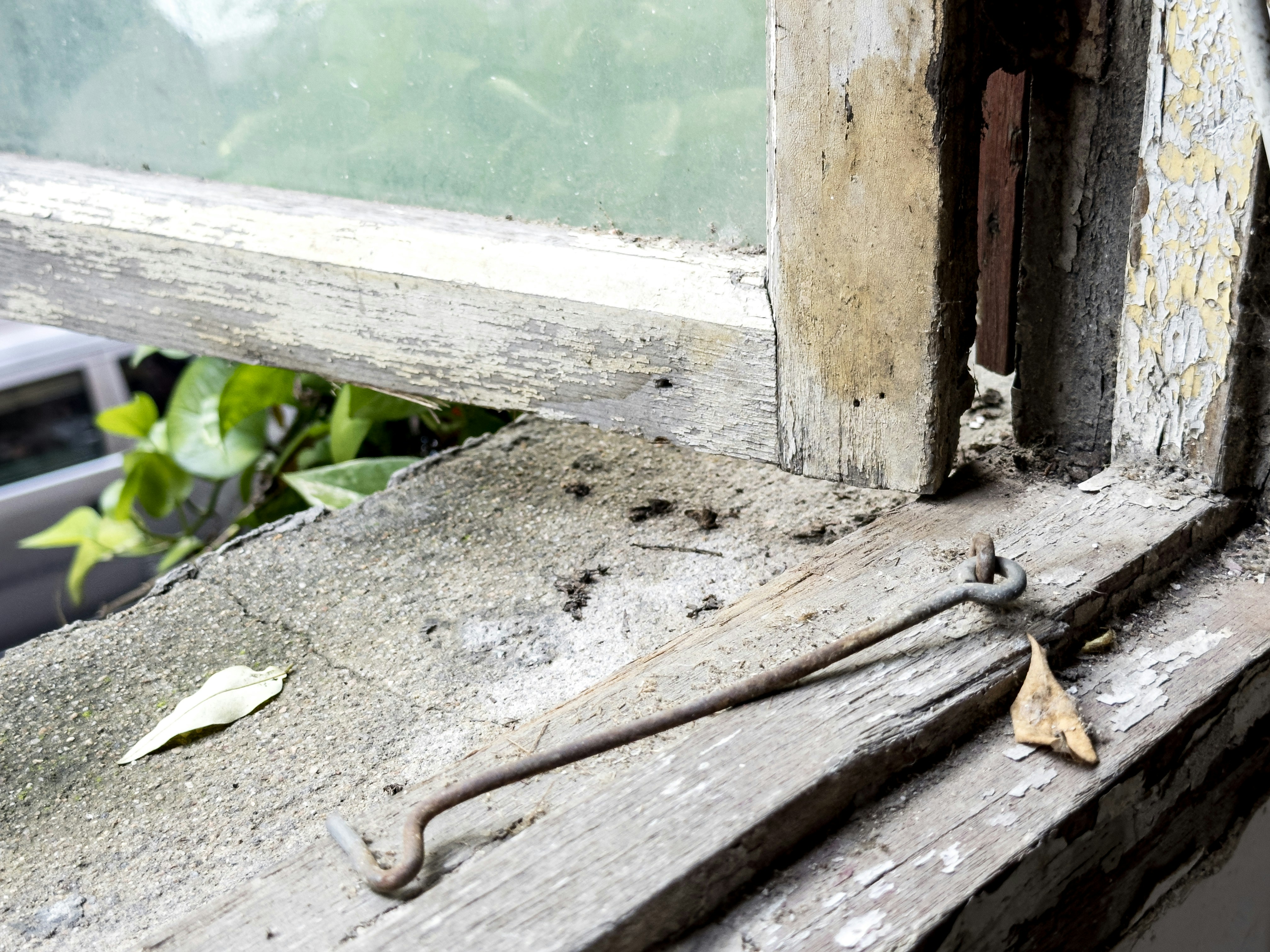
Close-up of a severely weathered wooden window frame with peeling paint, damaged timber, and a long metal hook latch.

FIG. 05 — A weathered timber frame with peeling paint. Reference image.

Whichever way the rows lean, the next step is the opening itself.

Chapter 06 lists the details worth noting before you send a Window Enquiry. The full guide sets out the same five checks on its own page.

06

PREPARE

Measuring and Sizing Basics

A custom window starts with the opening. You don’t need exact trade measurements to enquire, but noting these details in your message makes the first conversation far more useful.

Close-up of a coiled measuring tape with clearly visible measurement markings on a light surface.

FIG. 06 — Measure three times, send the smallest.

WHAT TO NOTE IN YOUR MESSAGE

  1. Width and height of the opening, taken at three points each. Note the smallest reading.
  2. Wall type (brick, weatherboard, render) and how deep the reveal is.
  3. The current window: its style and which way it opens.
  4. What you’d like instead: style from chapter 01, frame from 02, glass from 03.
  5. Photos of the window from inside and outside, square-on, kept ready to share once the conversation starts. In the message itself, a short description is enough.
  6. Floor level and anything that makes access awkward.

AFTERCARE

Window Care and Maintenance

Small, regular habits keep frames, hardware and glass working for longer.

Cleaning frames and glass

Warm water, a little mild detergent and a soft cloth. Skip scourers and harsh cleaners, which can scratch coated glass and painted or powder-coated frames.

Seals and weatherstrips

Check them at the change of season. Cracked, flattened or loose strips let in draughts and water, and they’re usually simple to replace.

Looking after timber

Touch up paint as soon as it cracks, pay close attention to the sill, and keep water from pooling at the base of the frame.

Hardware and tracks

Vacuum sliding tracks, clear any drainage holes, and give hinges and locks a light silicone spray if they start to stiffen.

Fog between the panes

Condensation on the room side can be wiped away and reduced with airflow. Mist trapped inside a double-glazed unit usually means its seal has failed.
07

ENQUIRE

Window Enquiry

Add your name and email, then use the message to describe the window you need: the opening, the style, the frame and the glass you have in mind. Rough is fine. The checklist in chapter 06 covers the useful details, and photos can wait until the conversation is under way.

About Our Window Making

Windows are all we do. We make them to order in any type, from a single fixed pane to a full bay, shaped around the opening you have.

YOUR WINDOW DETAILS

We use these details to respond to your enquiry. Please avoid sending sensitive personal information.